|
xambqphy6t7 hvac technicians compared: skills, costs, and expectationsWhat they actually handleHeating, ventilation, air conditioning, and often refrigeration. Installation, commissioning, maintenance, and repair. The good ones measure before they guess, and they explain before they sell. Core skills and proof- Diagnostics: reading pressures, temperatures, superheat/subcool, static pressure, and electrical signatures.
- Safety and compliance: EPA Section 608 handling, combustion safety checks, lockout/tagout, proper recovery.
- Electrical and controls: low-voltage logic, contactors, ECM motors, thermostats, safeties.
- Airflow fundamentals: duct design basics, balancing, measured static pressure, not guesses.
- Documentation: photos, readings, and clear notes so decisions are auditable.
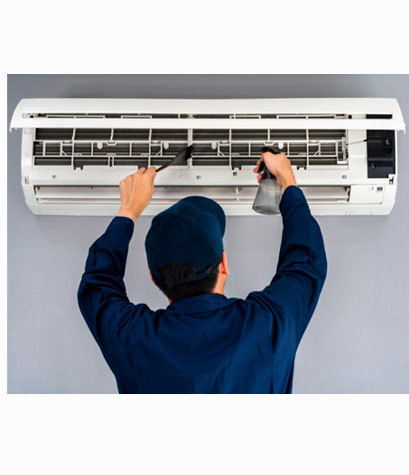
Residential, light commercial, industrialResidential techs prioritize comfort complaints and quick turnarounds; commercial and industrial lean on schedules, rooftop access, permits, and system redundancy. Same principles, different stakes and logistics. On-site, real and ordinary7:10 a.m., a windy rooftop in late February: a technician clips a clamp meter, watches the compressor short-cycle, checks a clogged condenser coil, logs amps, and confirms low airflow before making any promises. No drama - just sequence, evidence, adjustment. - Intake the symptom and past history.
- Make safe: power, gas, and refrigerant handling.
- Measure first: pressures, temps, static, volts, drains.
- Diagnose with a simple tree, then verify the fix.
- Report findings and next options in plain terms.
Cost drivers, ranked by influence- Labor time and skill level; efficient techs cost more but waste less.
- Parts and availability; OEM boards and specialty motors swing totals.
- Access and logistics; rooftops, ladders, permits, parking, weather.
- Urgency; after-hours or same-day rates exist for a reason.
- Warranty status; parts may be covered, labor usually is not.
Trip charges are normal. Quotes tighten after testing. Fair pricing is confident, not flashy. How to compare providers with calm criteria- Response and follow-through: not just arriving, but finishing the plan.
- Instrumentation: digital manifold, micron gauge, manometer, hygrometer, data logging.
- Airflow literacy: performs static pressure and verifies CFM, not just 'feels cold.'
- Load and sizing: can discuss Manual J/S or equivalent, avoids casual oversizing.
- Brand breadth: comfortable across major manufacturers.
- Safety culture: PPE, gas leak checks, combustion analysis where applicable.
- Warranty navigation: registers equipment, explains coverage boundaries.
- Communication: clear findings, options with pros/cons, no pressure.
Temper expectations: a tune-up won't reverse metal fatigue or bad duct design. Competent work can stabilize performance and prevent surprises, not turn a 20-year unit into new. Maintenance that actually moves the needle- Filters and airflow: right MERV, changed on schedule, verify static pressure.
- Coil hygiene: clean condenser and evaporator with method, protect fins.
- Refrigerant: charge by weight or verified superheat/subcool, combined with leak checks when low - no 'seasonal top-offs.'
- Condensate and drains: clear traps, slope, and add safety switches.
- Combustion tune: measure O2, CO, draft; adjust within spec.
Red flags worth noting- Guaranteed refrigerant 'top-off' every visit.
- Recommending larger equipment without a load calculation.
- Skipping static pressure or airflow checks during comfort complaints.
- Replacing parts without documenting readings before and after.
Tools that signal competence- Micron gauge for evacuation, not 'it held for ten minutes.'
- Calibrated manometer for gas pressure and static pressure.
- Clamp meter with inrush; verifies motor health and circuit behavior.
- Thermometer and psychrometer for delta-T and humidity.
- Data logger for intermittent faults.
Outcome, not miraclesGreat hvac technicians set baselines, show data, and recommend only what their readings support. Systems improve, sometimes modestly; comfort becomes steadier; failures arrive with fewer surprises. Explore options when the numbers say so - replacement, repair, or redesign - not because a sales sheet is shiny.

|
|